Tshirt: A Versatile Display Font for Creative Projects
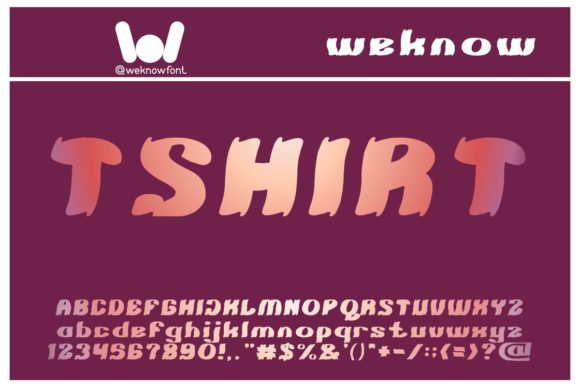
If you're looking for a font that can elevate your design work, Tshirt is a name you should know. This fancy display font is designed to make a statement, whether you're creating a logo, designing a poster, or working on a brand identity project. Its unique style and adaptability make it a go-to choice for designers across various industries.
But like any tool, Tshirt has its nuances. Understanding how to use it effectively can make a big difference in the outcome of your projects. Let's explore what makes Tshirt special and how to avoid common pitfalls when working with it.
What Makes Tshirt Stand Out?
Tshirt is more than just a stylish font—it's a versatile asset that can fit into a wide range of creative contexts. From corporate branding to entertainment media, this font offers a modern and eye-catching look that can help your designs stand out. Its clean lines and distinctive character make it ideal for headlines, logotypes, and other visual elements where clarity and impact matter.
One of the key strengths of Tshirt is its flexibility. It works well in both digital and print formats, making it suitable for everything from website headers to apparel labels. Whether you're designing for a music album, a movie poster, or a social media campaign, Tshirt can add a touch of sophistication that complements your vision.
Common Mistakes When Using Tshirt
Despite its appeal, many users make mistakes when incorporating Tshirt into their designs. One common error is using the font in situations where readability is crucial. While Tshirt is visually striking, it may not be the best choice for body text or long paragraphs. Overusing it can lead to cluttered layouts and reduced legibility, which can hurt the overall effectiveness of your design.
Another mistake is not considering the context of the project. For example, using Tshirt in a professional setting without proper justification can come off as unprofessional. The font's casual appearance might clash with the tone of a corporate presentation or a formal document. It's important to match the font's personality with the message you want to convey.
Some users also overlook the importance of licensing when downloading or purchasing Tshirt. Not all fonts are created equal, and using a font without the right permissions can lead to legal issues. Always check the license terms before using Tshirt in commercial projects to avoid potential problems.
How to Avoid These Mistakes
To get the most out of Tshirt, start by understanding its strengths and limitations. Use it strategically in areas where it can shine, such as headlines, logos, or visual accents. Pair it with more traditional fonts for body text to maintain balance and readability. This approach ensures that your design remains functional while still being visually engaging.
Before finalizing your design, test Tshirt in different scenarios. View it on various devices and backgrounds to see how it performs. If it doesn't look good in certain contexts, consider alternatives or adjustments. Remember, the goal is to enhance your message, not overshadow it.
Finally, always verify the licensing information for Tshirt. If you're unsure about the terms, consult the font's official website or reach out to the designer for clarification. This step can save you time and trouble down the line.
Practical Tips for Working With Tshirt
When working with Tshirt, keep these practical tips in mind:
- Use it for emphasis: Tshirt is perfect for drawing attention to key elements in your design. Use it for headings, captions, or callout text to create visual hierarchy.
- Pair it with complementary fonts: Combine Tshirt with a more readable font for body text. This contrast can make your design more dynamic and easier to read.
- Experiment with spacing: Adjust the letter spacing and line height to improve readability, especially when using Tshirt in larger blocks of text.
- Check for scalability: Ensure that Tshirt looks good at different sizes. What works well in a large headline might not be as effective in a smaller label or icon.
What to Check Before Using Tshirt
Before you dive into a project with Tshirt, take a moment to evaluate a few key factors:
- Project requirements: Does Tshirt align with the purpose and tone of your project? Consider the audience and the message you want to deliver.
- Design goals: Are you using Tshirt to enhance aesthetics, communicate a specific idea, or create a brand identity? Clarify your objectives to ensure the font supports your vision.
- Technical compatibility: Make sure Tshirt is compatible with your design software and platforms. Some fonts may have restrictions or require specific file formats.
- Licensing compliance: Double-check the usage rights for Tshirt, especially if you're working on a commercial project. Unauthorized use can lead to legal complications.
Conclusion: Make the Most of Tshirt
Tshirt is a powerful tool for designers looking to add flair and personality to their work. By understanding its strengths and limitations, you can use it effectively without falling into common traps. Whether you're designing for a business, a creative project, or a personal endeavor, Tshirt can help you achieve a polished and professional look.
Remember, the key to success with Tshirt lies in thoughtful application. Use it wisely, pair it with the right fonts, and always consider the context of your work. With these strategies in place, you'll be able to leverage Tshirt to its full potential and create designs that resonate with your audience.