Creative Script: A Modern Display Font with Retro Flair
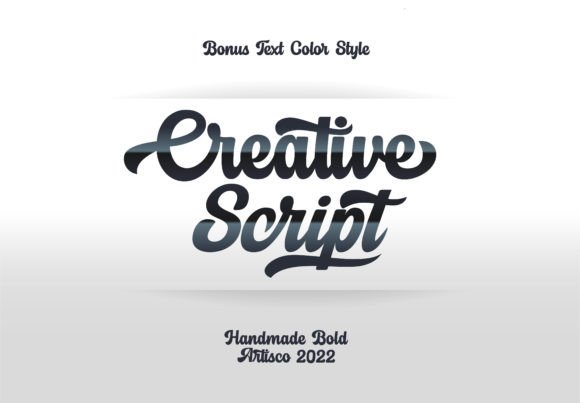
Creative Script is a contemporary display font that blends retro aesthetics with modern design elements. It features smooth, flowing curves that give it a distinctive and elegant appearance. This font is particularly well-suited for fashion branding, editorial designs, and other creative projects that require a stylish and eye-catching typeface.
What Is Creative Script?
Creative Script is a digital font designed to offer a unique visual identity for various applications. Its design incorporates elements reminiscent of vintage typography while maintaining the clarity and readability expected in modern fonts. The combination of fluid lines and structured forms makes it a versatile choice for designers looking to add a touch of sophistication to their work.
The font's name reflects its purpose: to inspire creativity through its script-like style. It is often used in logos, headlines, and other visual elements where a personal or artistic touch is desired. Its adaptability across different media ensures that it can be effectively utilized in both print and digital formats.
Why Consider Creative Script?
Designers and brand managers may find Creative Script appealing for several reasons. Its aesthetic appeal can help differentiate a brand in a competitive market. The font's retro flair adds a nostalgic element, which can resonate with audiences who appreciate vintage styles. At the same time, its modern structure ensures that it remains relevant and functional in today's design landscape.
For fashion brands, Creative Script can serve as a powerful tool to convey a sense of elegance and exclusivity. In editorial contexts, it can enhance the visual storytelling by adding a dynamic and expressive element to layouts. Its versatility also allows it to be used in a variety of settings, from website headers to social media graphics.
Benefits of Using Creative Script
One of the primary benefits of Creative Script is its ability to elevate the visual impact of a design. The smooth curves and stylized letterforms create a sense of movement and flow, making it ideal for projects that aim to capture attention. This font can also help establish a strong brand identity by providing a consistent and recognizable typographic style.
Additionally, Creative Script is easy to use in most design software, ensuring that it is accessible to a wide range of users. Its legibility at larger sizes makes it suitable for headings and titles, while its stylistic elements allow it to stand out in a crowd. This balance between form and function is one of the key strengths of the font.
Considerations and Tradeoffs
While Creative Script offers many advantages, there are some considerations to keep in mind. Its decorative nature may not be suitable for all types of content, particularly when readability is a priority. For body text or long paragraphs, a more traditional sans-serif or serif font might be a better choice.
Another factor to consider is the availability of the font. Depending on the platform or software being used, Creative Script may not be included by default. Users may need to purchase or download the font separately, which could affect workflow and project timelines. It is also important to ensure that the font is licensed correctly for the intended use, especially in commercial settings.
Situations Where Creative Script Shines
Creative Script is an excellent choice for projects that require a distinctive and artistic look. Fashion brands, for example, can use it to create logos and packaging that reflect their unique identity. Editorial publications may benefit from its use in feature headlines or section dividers, where a visually engaging element is needed.
In the realm of digital design, Creative Script can be used to enhance user interfaces, such as in app icons or website banners. Its ability to convey emotion and style makes it a valuable asset for designers looking to create a memorable visual experience. When paired with complementary elements, it can significantly enhance the overall aesthetic of a design.
When Alternatives Might Be Better
There are scenarios where alternative fonts may be more appropriate. For instance, if the goal is to communicate information clearly and efficiently, a simpler, more neutral font might be preferable. In cases where the design needs to maintain a professional tone, a classic serif or sans-serif font could be a better fit.
Additionally, if the target audience is more traditional or conservative, a font with a more conventional appearance may be more effective. Designers should also consider the context in which the font will be used, as certain environments may require a more straightforward approach.
Decision-Making Insights
When deciding whether to use Creative Script, it is important to evaluate the specific needs of the project. Ask questions such as: What is the intended message? Who is the target audience? What visual style is desired? These considerations can help determine if the font aligns with the goals of the design.
Testing the font in different contexts can also provide valuable insights. Experimenting with various sizes, colors, and backgrounds can reveal how the font performs in real-world scenarios. This process can help identify potential issues and ensure that the final result meets the desired standards.
Ultimately, the decision to use Creative Script should be based on a thoughtful assessment of its strengths and limitations. By understanding how it functions and what it can achieve, designers can make informed choices that support their creative objectives.